LATTE + LUXE · THE COFFEE JOURNAL
The Art of a Coffee House Latte at Home
Romanticizing your morning coffee ritual, one beautifully crafted cup at a time.
There is a particular kind of magic that lives inside a well-made latte — the kind that stops you mid-morning, cup raised, steam curling softly upward, and makes the rest of the world feel briefly, beautifully still. For years, that magic was something we reserved exclusively for café countertops, for the skilled hands of baristas working behind gleaming machines, for the unhurried luxury of sitting somewhere lovely with nowhere urgently to be.
But the pursuit of a truly exquisite at-home latte is not merely a practical endeavour — it is an act of self-care, a quiet declaration that your mornings deserve intention. With the right knowledge, a few considered tools, and a genuine appreciation for the craft, the coffee house experience can be yours to command, every single morning, without stepping beyond your own kitchen.
I. The Foundation: Sourcing Specialty Beans
Every superlative latte begins not at the steam wand, but at the source. The bean is the soul of your cup, and treating its selection with the same discernment you would apply to a fine wine or a single-origin olive oil is the first step toward something truly exceptional.
Seek Out the Specialty Tier
The Specialty Coffee Association grades green coffee on a 100-point scale; any bean scoring 80 or above earns the coveted “specialty” designation. These are coffees harvested at precise elevations, processed with exacting care, and traceable to a specific farm or cooperative. When shopping, look for roasters who publish detailed tasting notes — stone fruit, caramel, jasmine, dark chocolate — as these are indicators of transparency and quality. Labels bearing terms such as single-origin, direct trade, or microlot are useful signposts on your search.
Choosing the Right Roast Profile
For a latte, the espresso must be able to hold its own against a generous pour of milk. A medium to medium-dark roast tends to yield the most harmonious result: enough body and sweetness to complement the milk’s natural lactose without the acrid bite that overly dark roasting can introduce. Seek out roasters who describe their espresso blends in terms of sweetness, balance, and milk compatibility — this vocabulary signals a craftsperson who understands the full arc of the drink you are building.
Freshness Is Non-Negotiable
A specialty bean, once roasted, begins its quiet decline almost immediately. Carbon dioxide — the gas responsible for that glorious bloom in your espresso puck — dissipates within weeks. Purchase beans with a clearly printed roast date and aim to use them between four days and four weeks post-roast. Store them in an airtight, opaque vessel at room temperature. The refrigerator, despite popular instinct, introduces moisture and foreign aromas; it is the enemy of a pristine cup. Grind only what you need, immediately before brewing, for flavour that is vivid, present, and alive.
The bean is not merely an ingredient — it is a narrative. Choose one whose story you wish to taste.
II. The Craft: Mastering Silky Microfoam at Home
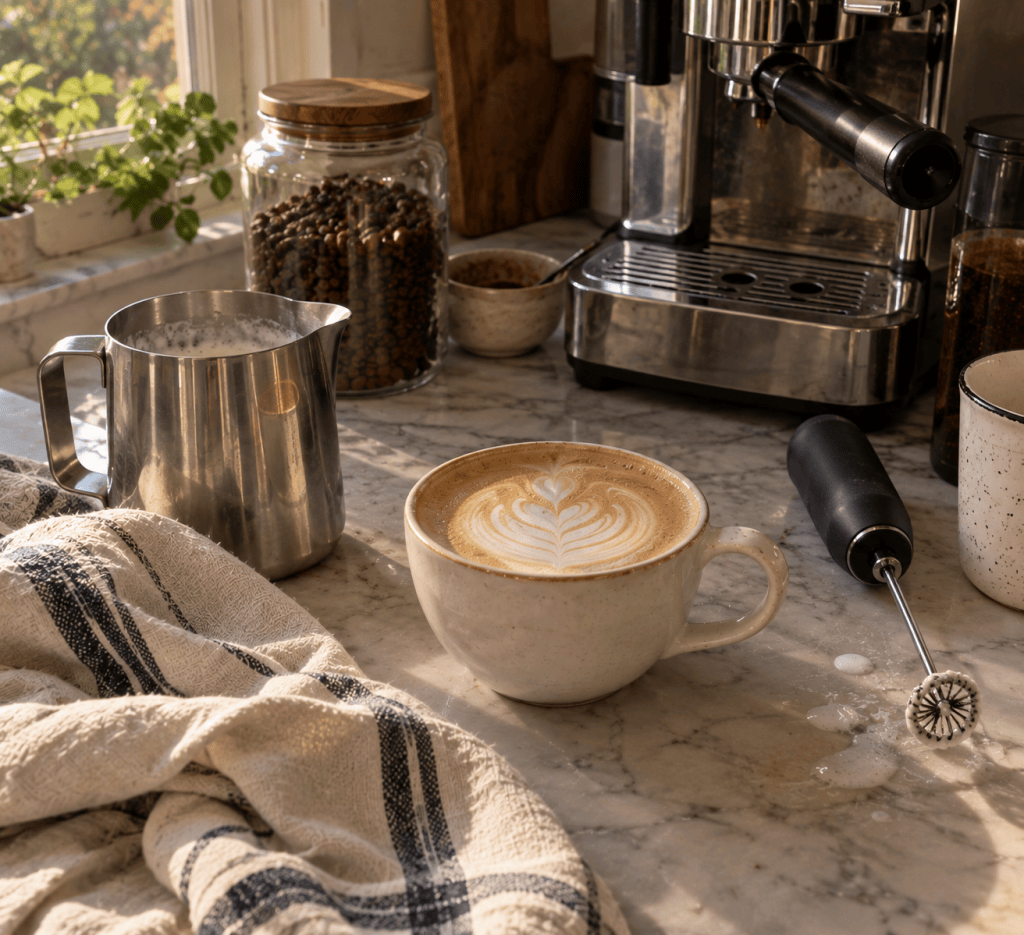
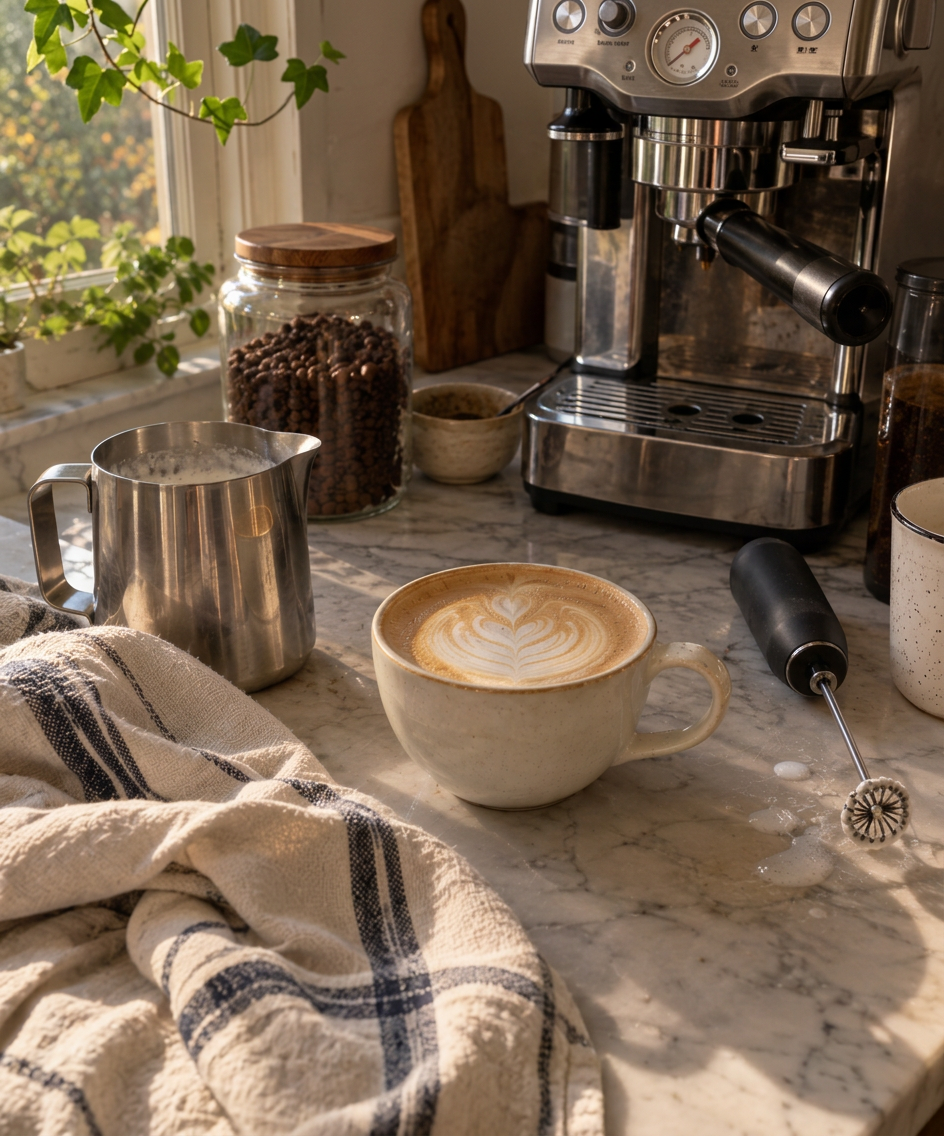
If the bean is the soul of the latte, then the milk is its body — and the way that milk is transformed through steaming is where artistry truly enters the room. Microfoam is not simply hot milk with bubbles. It is milk that has been coaxed into a silken, glossy emulsion: texturally dense, sweetened by heat, and fluid enough to pour with intention. Achieving it at home is a learnable skill, and once mastered, it is deeply, quietly satisfying.
Choosing Your Milk Thoughtfully
Full-fat whole milk remains the gold standard for microfoam: its fat content creates a lush, stable foam that pours like velvet and integrates seamlessly with espresso. For those who prefer plant-based alternatives, oat milk — particularly barista-formulated editions — performs beautifully, producing a foam that is creamy, mildly sweet, and remarkably close in texture to dairy. Whatever your preference, always begin with cold milk straight from the refrigerator. Cold milk gives you more control, a longer steaming window, and ultimately a finer, more consistent result.
The Steam Wand Technique
Begin by purging your steam wand for two seconds — this releases any residual condensation and ensures only dry, pressurised steam enters your milk. Fill your steaming pitcher to just below the spout and submerge the wand tip just beneath the surface, angled slightly off-centre to encourage a quiet, rolling whirlpool within the jug.
The first phase is aeration: with the wand tip at the surface, allow a subtle hissing — not a violent screech — to introduce a fine net of air bubbles into the milk. This phase lasts only a few seconds. The second phase is texturising: lower the pitcher slightly so the wand tip sits deeper, driving a smooth vortex that integrates and refines those bubbles into a uniform, glossy texture. Stop steaming when the base of the pitcher becomes uncomfortably warm to the touch — approximately 60–65°C. Beyond this point, the milk’s proteins begin to denature, the sweetness diminishes, and the texture coarsens.
Without a Steam Wand: The Elegant Alternatives
A full espresso machine is not a prerequisite for beautiful microfoam. A quality handheld milk frother — used on gently warmed milk — can produce a surprisingly capable foam when worked in slow, deliberate circular motions beneath the surface rather than at it. The Nespresso Aeroccino and similar countertop frothers offer a more automated route, producing consistently smooth results with minimal effort. For those committed to the craft without the machine, a French press can also be employed: warm the milk, add it to the press, and pump the plunger in controlled, rhythmic strokes for approximately thirty seconds. The result will lack the refined silkiness of a steam-wand texture, but it has a charm and body entirely its own.
The Pour: Where Craft Becomes Art
After steaming, give the pitcher a gentle swirl on the counter to reintegrate any separated foam and achieve a uniform, paint-like consistency. Then tap it once, firmly, to release any larger bubbles. Tilt your espresso cup at a slight angle and pour from a low height, beginning with a thin central stream. As the cup fills, gradually lower the pitcher closer to the surface and increase the flow. Even without formal latte art training, this technique produces a natural white heart or rosette that sits luminously atop your cup — an effortless flourish that elevates the experience from functional to genuinely beautiful.
III. The Ritual: Making It a Morning Worth Remembering
Technique and ingredients alone do not make a coffee house experience — ambience does. The great cafés of the world are remembered not only for what they serve, but for how they make you feel. Curating that feeling at home is a matter of small, considered details.
Warm your cup before you begin — a preheated vessel keeps your latte at its ideal temperature longer and signals, even subconsciously, that care has been taken. Choose a cup whose weight and shape you love; the object matters. Clear a small, beautiful space: a folded linen napkin, a single flower in a bud vase, a book left open at a good page. Play something unhurried — a jazz standard, a Debussy prelude, a playlist that asks nothing urgent of you.
Then, when your cup is in your hands and the steam is rising, resist the impulse to be elsewhere. This is the moment. The coffee is the occasion. That, ultimately, is the full art of the latte at home: not merely the technique of making it, but the intention of savouring it.
A Final Word
IV. The Pilgrimage: 10 Cozy US Coffee Houses to Inspire Your Ritual
There are places in this world where coffee is not merely served but celebrated — rooms where the light falls just so, where the hiss of a steam wand becomes a kind of music, and where every cup arrives as evidence of someone’s deep and genuine devotion. The United States, for all its vast geography, has cultivated a constellation of such places: independent roasters and coffee houses whose commitment to the craft is matched, in equal measure, by an instinct for atmosphere. Whether you seek them out in person or simply allow their ethos to inform your own morning practice, these ten are worthy of a place on any discerning coffee lover’s map.
01
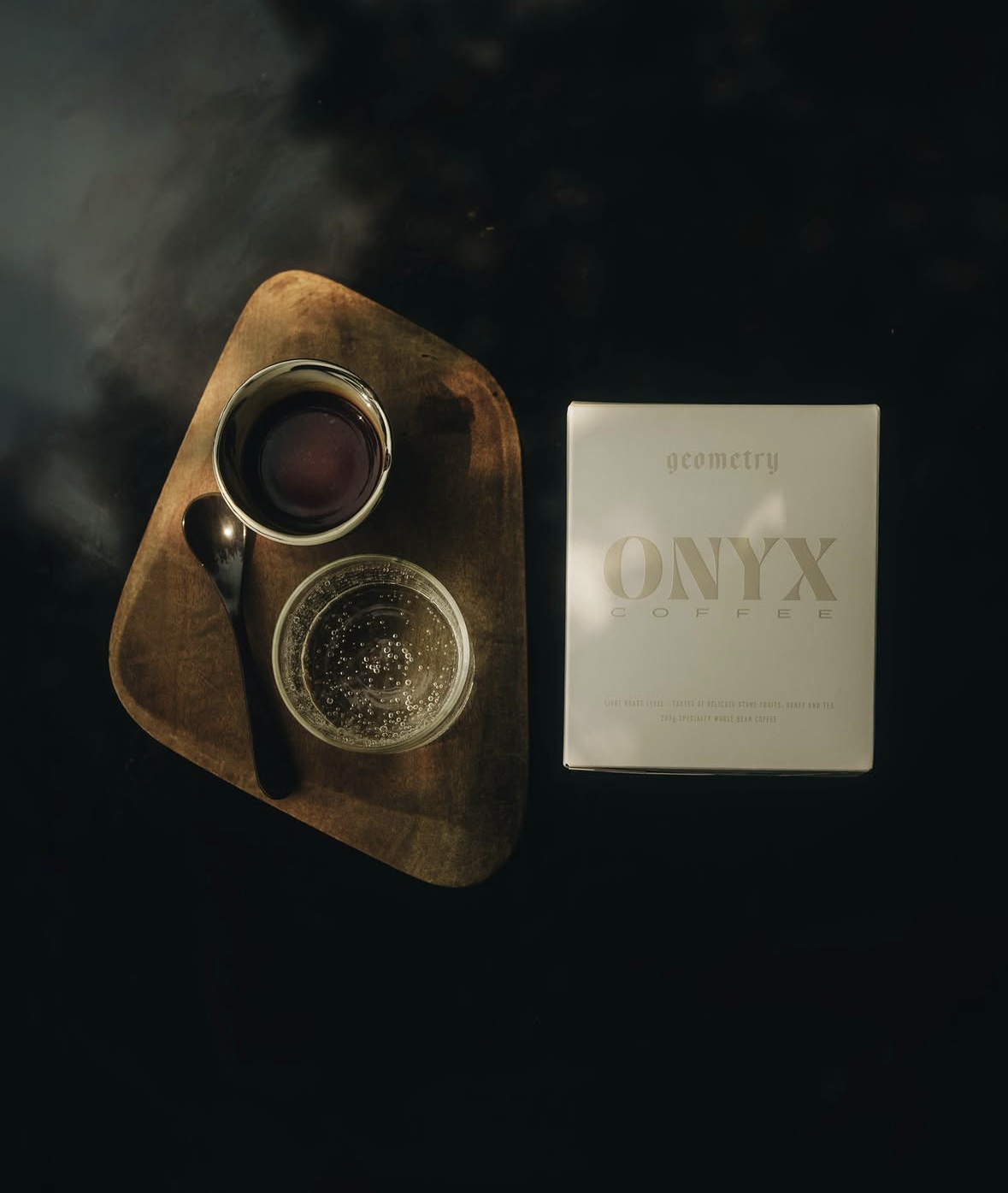
Onyx Coffee Lab — Rogers, Arkansas (AR)
Tucked into the Ozark foothills of northwest Arkansas, Onyx has earned a devoted following that extends far beyond its region. Their sourcing is fastidious — direct relationships with farmers, meticulous green-coffee selection, and roasting that honours the bean’s inherent character rather than masking it. The cafés themselves are studies in considered design: warm, unhurried, and deeply inviting. A visit feels like stepping into the physical form of a well-written coffee essay.
Photo credit: @onyxcoffeelab
02
Verve Coffee Roasters — Santa Cruz, California (CA)
Born beside the Pacific on the California coast, Verve carries the spirit of its surroundings into every cup — sun-lit, unhurried, effortlessly beautiful. Their roasting programme reflects a deep respect for seasonality, drawing on relationships with growers across Latin America, Africa, and beyond. The Santa Cruz flagship is a destination in its own right: high ceilings, abundant light, and the kind of coffee that makes you want to linger indefinitely over a well-worn copy of something literary.
Photo credit: @vervecoffee
03
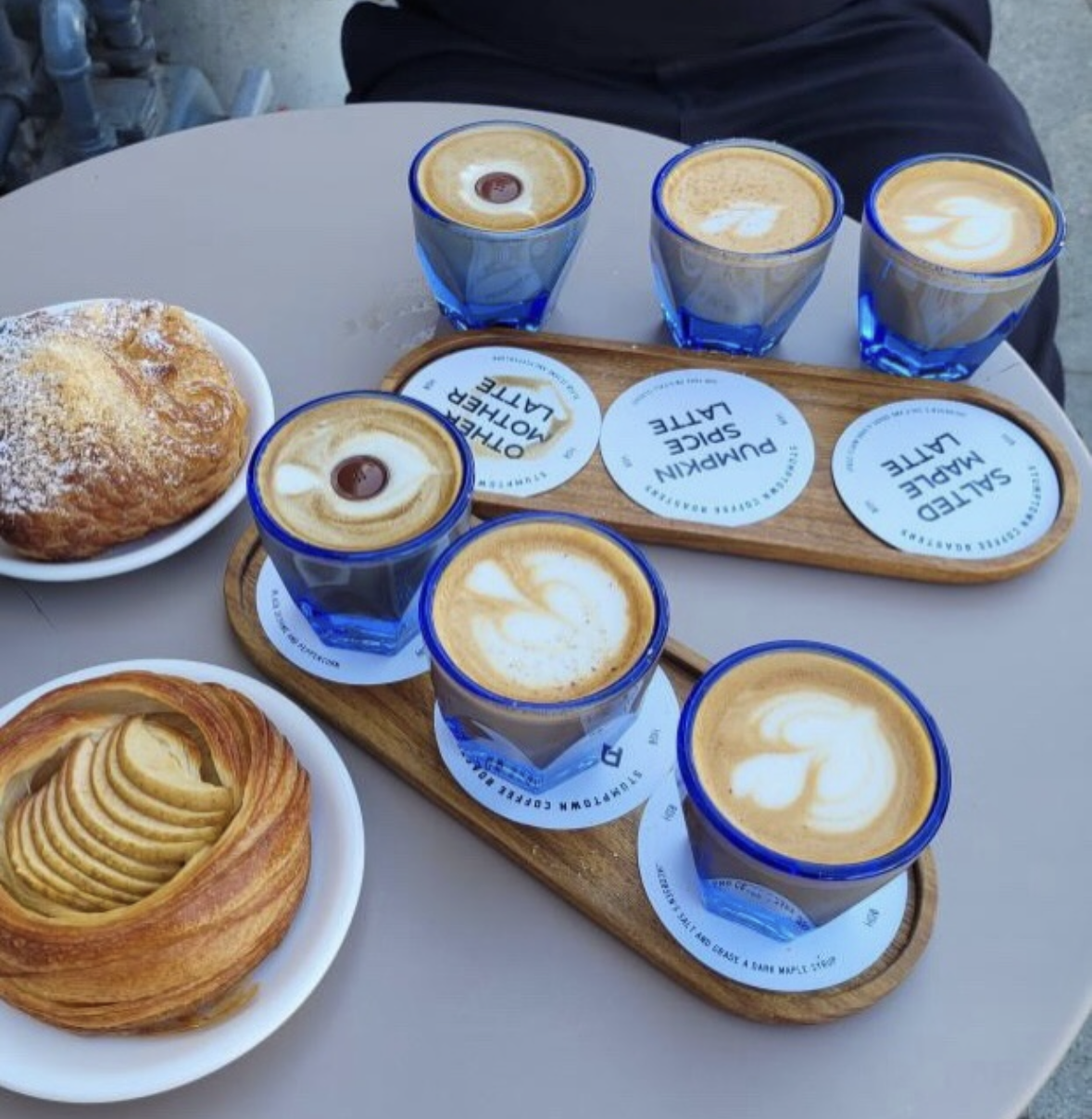
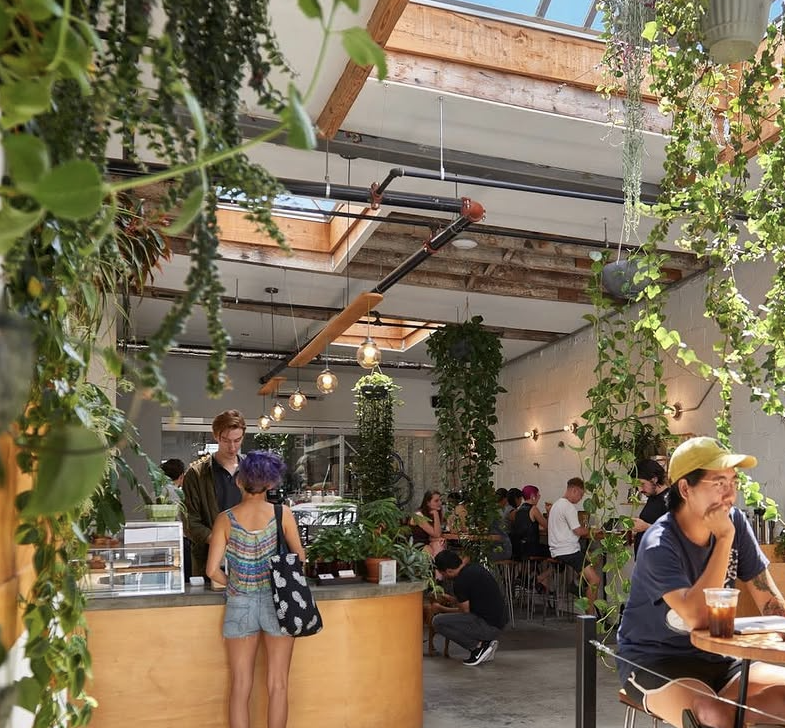
Stumptown Coffee Roasters — Portland, Oregon (OR)
Stumptown is, in many ways, the institution that helped teach America how to take coffee seriously. Founded in Portland at the turn of the millennium, it pioneered direct-trade sourcing and helped establish the vocabulary of the third-wave movement. Decades on, the original cafés retain their particular warmth — worn wooden surfaces, the gentle clatter of ceramic on tile, the sense that something genuinely important is being made here. An essential pilgrimage for anyone who cares about how the modern coffee story began.
Photo credit: @stumptowncoffee
04
Sey Coffee — Brooklyn, New York (NY)
In a sun-drenched corner of Bushwick, Sey occupies a converted industrial space that manages to feel both expansive and quietly intimate — all raw concrete, exposed steel, and the most deliberate natural light you have encountered outside of a Scandinavian gallery. The coffees here are sourced with an almost scholarly rigour, and the baristas speak of processing methods and harvest elevations with the enthusiasm of people who genuinely love what they do. Sey is, without overstating it, one of the finest coffee experiences in the country.
Photo credit: @seycoffee
05
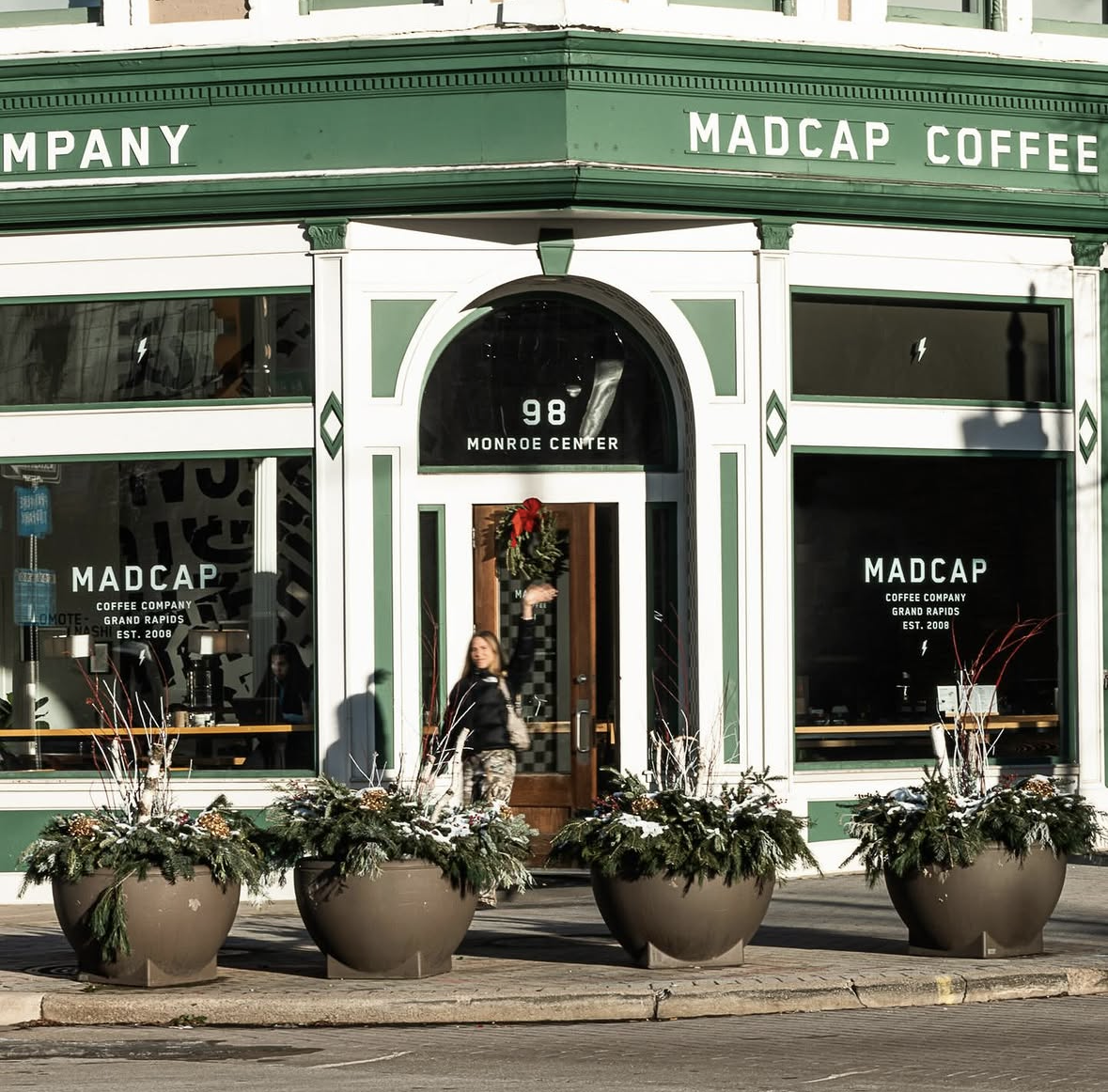
Madcap Coffee — Grand Rapids, Michigan (MI)
Madcap is a reminder that world-class coffee requires no particular coast or metropolis — only vision, discipline, and an unwavering commitment to quality. The Grand Rapids flagship is a beautifully realised space: clean lines, considered materiality, and a menu built around coffees that reward genuine attention. Their education programme and meticulous brew-bar set a standard that many far larger cities would envy. For those travelling through the Midwest with coffee on their mind, Madcap is not to be missed.
Photo credit: @madcapcoffee
06
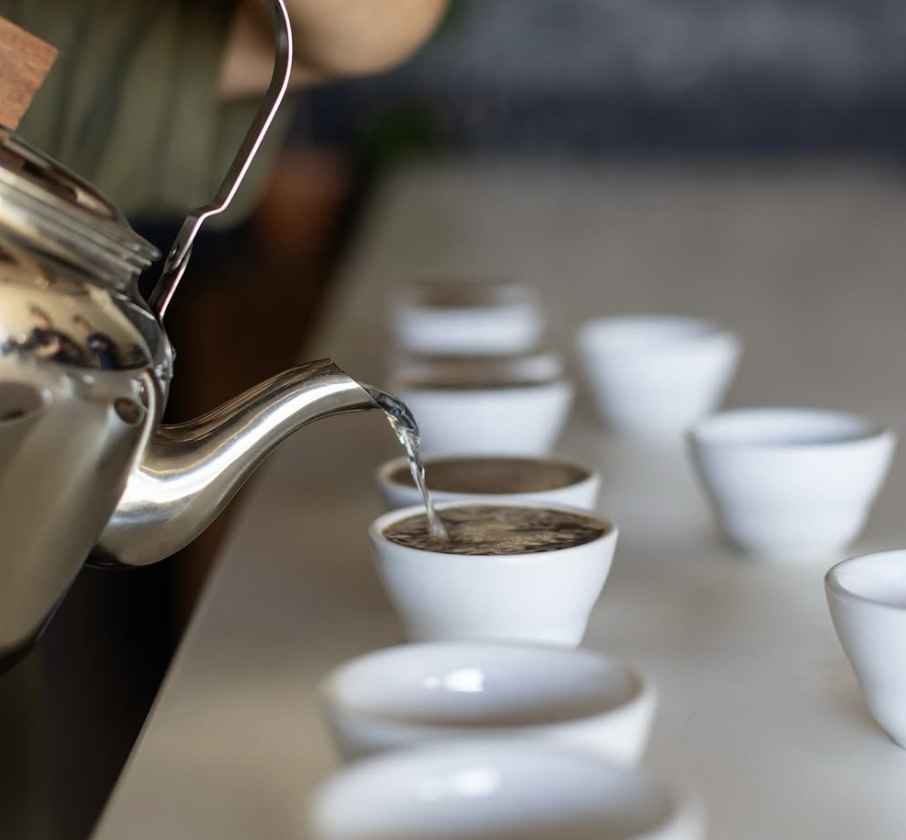
Heart Coffee Roasters — Portland, Oregon (OR)
Where Stumptown helped write the opening chapter, Heart refined the sentence. Founded by a Finnish-born roaster with an artist’s eye and an athlete’s precision, Heart’s Portland cafés are among the most aesthetically singular in the country: spare, luminous, and arranged with a Scandinavian clarity that extends from the architecture to the cup. The roasting is transparent and thoughtful, with a particular gift for coaxing delicate florals and stone-fruit brightness from their seasonal selections. A visit here feels, quite simply, like a gift to yourself.
Photo credit: @heartroasters
07
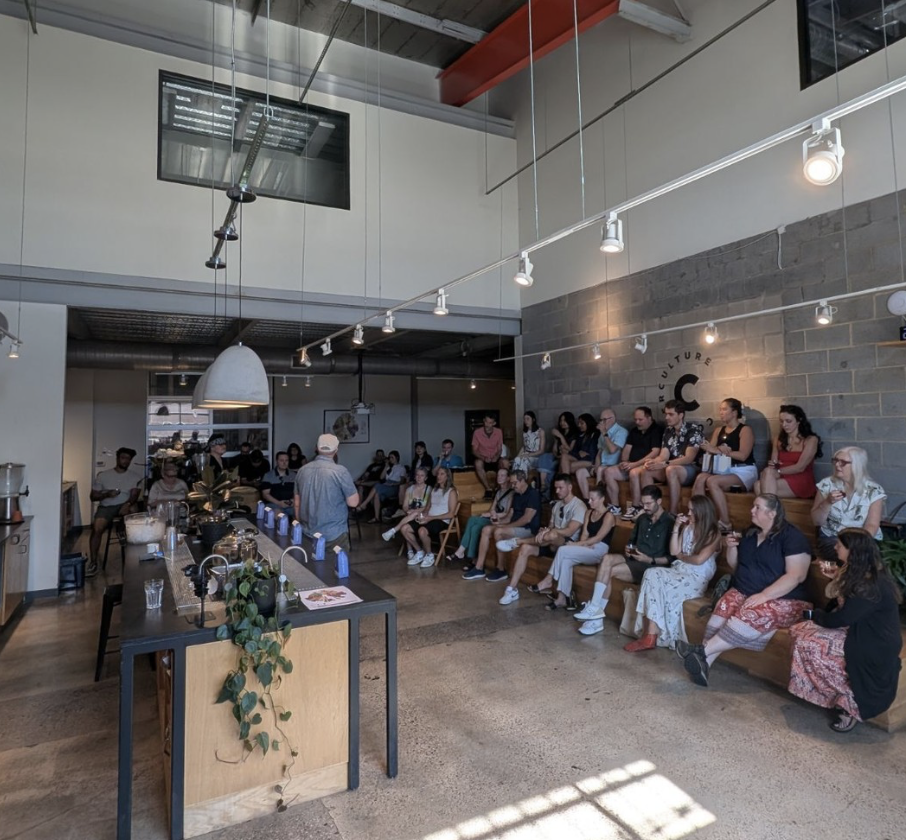
Counter Culture Coffee — Durham, North Carolina (NC)
Counter Culture occupies a rare and admirable position in American coffee: a roaster that has never stopped asking questions. Since the 1990s, they have led not only in sourcing and roasting quality but in education, publishing detailed transparency reports and hosting free cuppings at their training centres across the country. Their Durham home is a quietly significant place — unpretentious in décor, extraordinary in cup, and animated by the conviction that better coffee and a better world are not separate ambitions.
Photo credit: Counter Culture Coffee
09
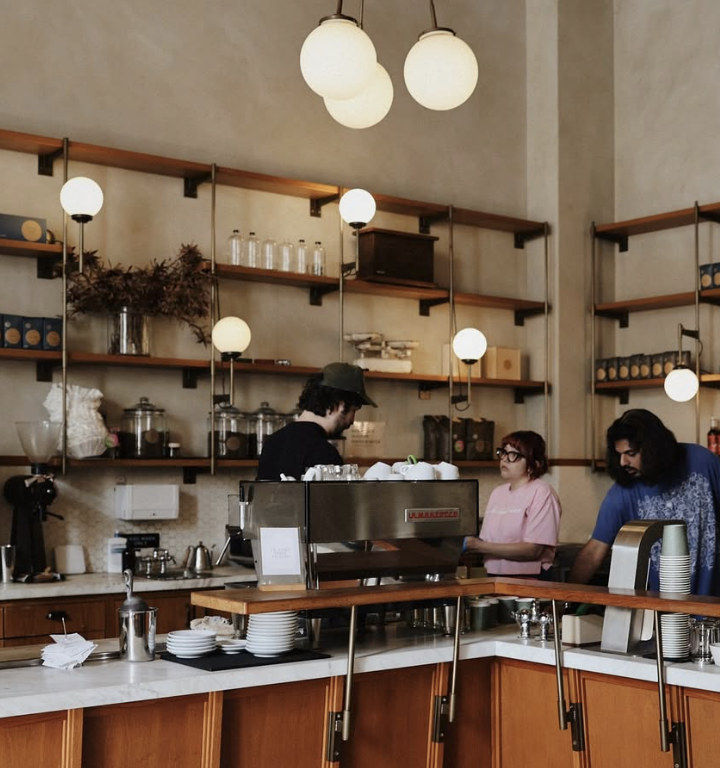
Sightglass Coffee — San Francisco, California (CA)
Housed in a soaring, light-flooded warehouse in SoMa, Sightglass is the kind of coffee house that makes you want to cancel your afternoon. The roasting happens in full view on the ground floor — an enormous vintage Probat presiding like a cathedral organ — while the mezzanine above offers a civilised remove from which to observe, sip, and think. The coffees are reliably excellent, balanced between approachability and complexity, and the whole enterprise carries an easy, considered warmth that is distinctly San Franciscan.
Photo credit: Sightglass Coffee
08
Intelligentsia Coffee — Chicago, Illinois (IL)
To walk into an Intelligentsia café in Chicago is to understand why this city takes its coffee as seriously as its architecture. Founded in 1995 on the belief that every step of the supply chain deserves scrutiny and respect, Intelligentsia helped introduce the phrase direct trade to the American coffee lexicon. The flagship on Broadway remains a landmark — dramatic in design, serious in purpose, and populated by baristas who approach each preparation as a distinct creative act. Few places make you feel more certain that your cup matters.
Photo credit: Intelligentsia Coffee

10
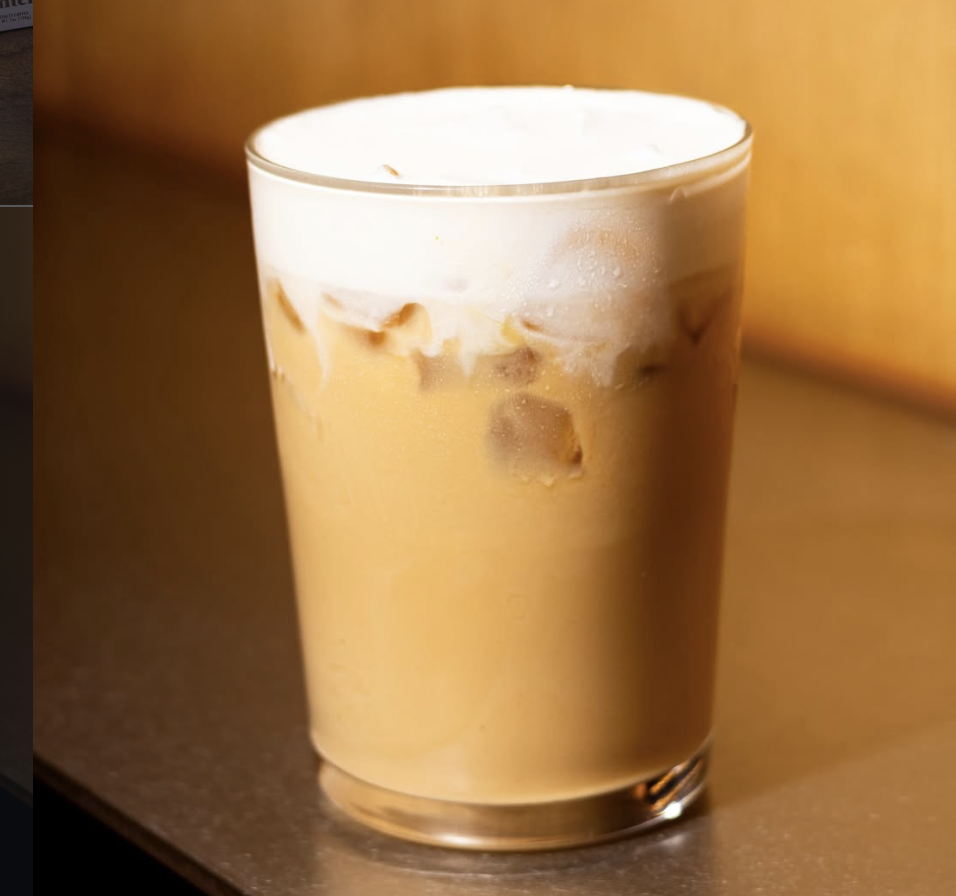
Ritual Coffee Roasters — San Francisco, California (CA)
Ritual has been part of the San Francisco coffee landscape since 2005, and it remains as relevant and rigorous as ever. Each of its neighbourhood cafés has its own distinct character — the Valencia Street original, with its narrow counter and devoted regulars; the airy Hayes Valley outpost, where light does remarkable things in the afternoon — yet all are united by coffees of genuine distinction and a philosophy that treats the customer as a willing participant in something worthwhile. To drink a Ritual latte is to be reminded, gently and beautifully, of why you fell in love with coffee in the first place.
Photo credit: Ritual Roasters
The coffee house has always been more than a place to drink coffee. It is a sanctuary of unhurried time, of beautiful things handled with care, of the extraordinary hidden within the everyday. To bring that ethos home — to source your beans with curiosity, to steam your milk with patience, to pour with a steady and loving hand — is to claim a small, exquisite luxury that belongs entirely to you.
No reservation required. No queue at the counter. Just you, the hiss of steam, the scent of something perfectly roasted, and a morning that begins — deliberately, gracefully — exactly as it should.
Words by Latte + Luxe Editorial


Leave a comment